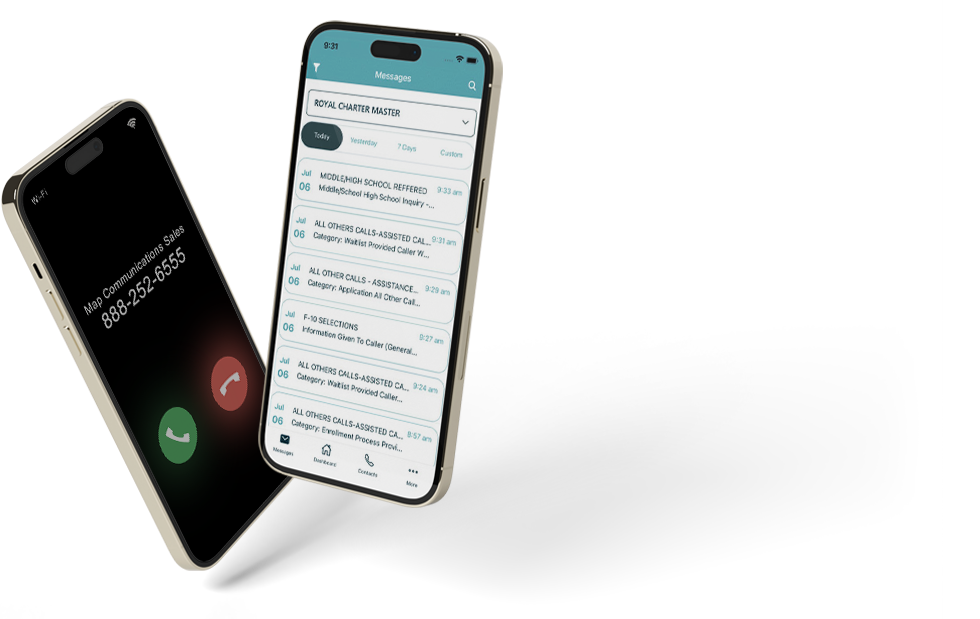


Customers don’t just want service … they want it fast, clear, and easy. They expect quick answers and smooth support, whether they reach out over lunch or late at night. The challenge becomes that most teams are already juggling far too much, making it impossible to meet expectations without bringing in more people. Most callers do not care whether you have two employees or twenty.
They just want a real person to help them.
That is where customer experience automation can make all the difference. It’s a practical way to remove the daily bottlenecks that slow your business down, creating smoother interactions, reducing wait times, and making sure customers feel cared for even when your team is busy.
Defining Customer Experience Automation
So what is customer experience automation, anyway? It is the practice of using tools and structured workflows to make everyday interactions quicker and more consistent. Instead of relying on your team to answer every call, gather every detail, or follow the same steps over and over, certain parts of the process are handled automatically, as this helps create a more automated customer experience without removing the human support customers appreciate.
Think about the moments that interrupt workflow. Callers repeating the same questions, messages getting lost, appointment details getting mixed up, or after-hours calls going straight to voicemail. CXA steps in to smooth out those rough edges. It can confirm appointments, route calls, collect basic information, send messages to the right person, or keep communication moving beyond traditional business hours.
Businesses That Benefit Most from CXA
Customer experience automation helps take a lot off teams’ plates. For businesses handling lots of calls, messages, or appointments, it keeps things running smoothly without needing to hire extra staff. When some steps are automated, talking to customers and keeping them in the loop becomes way easier for everyone.
Industries that benefit most include home services, health care, legal practices, property management, real estate, financial services, and any business that relies on clear communication and dependable follow-up. These organizations often rely on message taking, scheduling, and quick responses, which makes an automated customer experience a real advantage.
When routine interactions are streamlined, your team can focus on the work that actually moves the business forward. That is the impact of customer experience automation done well.
Practical Uses for Customer Experience Automation
Customer experience automation becomes most useful when it clears away the small tasks that gum up the system. Even simple adjustments can create a smoother flow for both your team and your customers. For many organizations, the best place to start is streamlining the interactions that happen constantly. This is where answering services or structured call processes can make an immediate difference.
Map Communications helps businesses apply customer experience automation in ways that feel natural, not technical. Call screening ensures the right person receives the right information. Message taking keeps details organized, so follow-up is accurate. Appointment scheduling becomes predictable instead of chaotic. After-hours support makes sure customers reach a real person instead of a voicemail box.
CXA creates a more reliable rhythm across every point of contact, from the first ring to the final follow-up. Customers get quick, consistent help, and your team gets more time to focus on the task at hand instead of chasing missed calls or sorting through incomplete messages.
How to Tell When Your Business Needs CXA
It can be hard to recognize the exact moment your team crosses the line from busy to overwhelmed, but there are clear signs that it is time to look at what customer experience automation is and how it might help. If calls are going unanswered, messages are getting lost, or customers say they cannot reach anyone, your business is running on a system that cannot keep up with demand.
You may also notice your staff spending more time repeating the same basic information instead of focusing on meaningful work. Missed appointments, unclear messages, and after-hours gaps are all early indicators that your communication flow needs structure. When these patterns show up consistently, customer experience automation becomes less of an upgrade and more of a necessity.
CXA provides stability. It keeps communication steady during busy seasons, prevents important details from slipping through cracks, and gives your team room to breathe. When you start seeing these stress points, it is a strong sign that a more organized customer experience will benefit both your business and the people you serve.
How Map Can Support Your CXA Goals
If you are exploring ways to make your customer interactions feel easier and more consistent, Map Communications can support you in automating customer experience tasks that take pressure off your team.
We keep things simple. Our U.S.-based team will answer your calls, schedule appointments, take clear messages, and cover you after hours so your customers never feel overlooked.
If you want communication that feels steady and manageable, employee-owned Map Communications can help you build a customer experience that works better for everyone.